
Mammal Watching Tour
MAMMAL WATCHING TOUR - SANTA CRUZ - BOLIVIA
We head to the Botanical Garden, a lush 550-acre tract of mature forest in the heart of the city. This forest, part of the Chiquitania ecoregion, is rich in biodiversity and offers excellent wildlife viewing.
The area is home to five species of monkeys—Tufted Capuchin, Black-and-gold Howler, Bolivian Red Howler, Azara’s Night Monkey, and White-eared Titi—with the first two often easily spotted. Other remarkable creatures include the Brown-throated Three-toed Sloth, Southern Amazon Squirrel, Capybara, Yacare Caiman, and Yellow-headed Sideneck Turtle.
And we haven’t even mentioned the birds! The forest teems with them. Among the highlights are Bare-faced Ibis, Ferruginous Pygmy-Owl, Ringed Kingfisher, Blue-crowned Trogon, Amazon Motmot, Great Kiskadee, Chestnut-fronted Macaw, Yellow-tufted Woodpecker, White-wedged Piculet, and the sought-after Bolivian Slaty-Antshrike.
In the afternoon, we visit Ivaga Guazú Park, a small private protected area that houses several rescued animals. Interestingly, it’s also one of the best places to see the White-eared Titi in the wild.
Finally, we’ll celebrate with a farewell dinner, sharing highlights and recounting the mammal and bird species we spotted throughout the day. Overnight in Santa Cruz.
Birding & Wildlife Watching in Santa Cruz 2 days / 1 night
Day 1
We head to the Botanical Garden, a lush 550-acre tract of mature forest in the heart of the city. This forest, part of the Chiquitania ecoregion, is rich in biodiversity and offers excellent wildlife viewing.
The area is home to five species of monkeys—Tufted Capuchin, Black-and-gold Howler, Bolivian Red Howler, Azara’s Night Monkey, and White-eared Titi—with the first two often easily spotted. Other remarkable creatures include the Brown-throated Three-toed Sloth, Southern Amazon Squirrel, Capybara, Yacare Caiman, and Yellow-headed Sideneck Turtle.
And we haven’t even mentioned the birds! The forest teems with them. Among the highlights are Bare-faced Ibis, Ferruginous Pygmy-Owl, Ringed Kingfisher, Blue-crowned Trogon, Amazon Motmot, Great Kiskadee, Chestnut-fronted Macaw, Yellow-tufted Woodpecker, White-wedged Piculet, and the sought-after Bolivian Slaty-Antshrike.
In the afternoon, we visit Ivaga Guazú Park, a small private protected area that houses several rescued animals. Interestingly, it’s also one of the best places to see the White-eared Titi in the wild.
Finally, we’ll celebrate with a farewell dinner, sharing highlights and recounting the mammal and bird species we spotted throughout the day. Overnight in Santa Cruz.
Day 2
– Take off from Santa Cruz de la Sierra to Kaa-Iya National Park by 4×4
– Travel the park via 4X4.
Day 3 - 4
– Travel the protected area via 4×4, travel the zones where jaguars were registered to be seen more often.
– Hikes to lakes and viewpoints, wait time in hideouts.
– Hikes over the pipeline trek.
– Night time 4×4 Travel.
– Early am travels searching for birds and mammals.
(all activities will be based on weather conditions and guests preferences)
Day 5
– Return to Santa Cruz by 4×4
Kaa-Iya National Park – Area Description
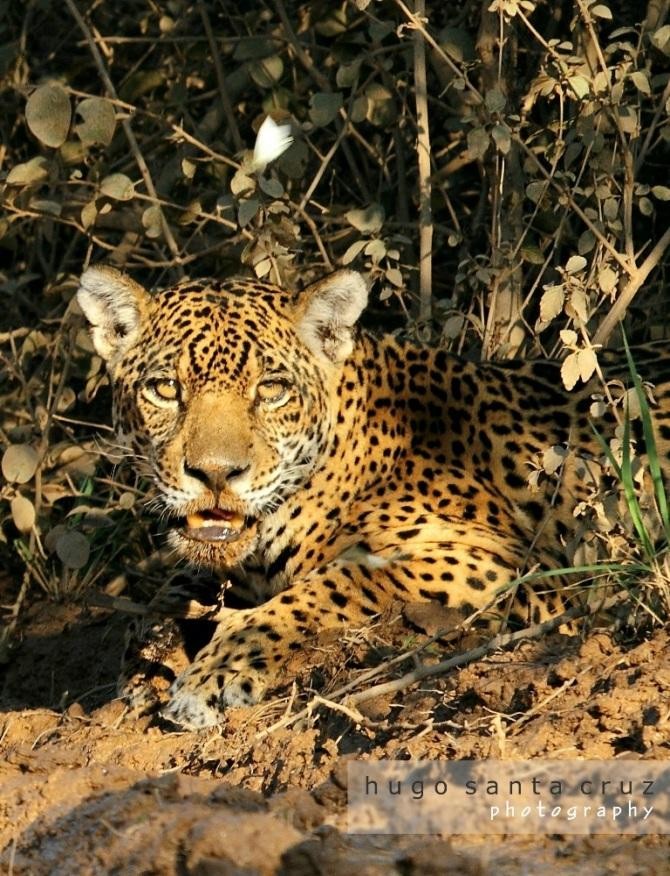
Bolivia is one of the countries with the largest populations of Jaguars (Panthera onca) in the world. Its extensive network of protected areas and relatively low human population density have allowed this iconic feline to thrive freely in its natural habitat.
Kaa-Iya National Park, located in the Gran Chaco region, is one of the few protected areas in South America that harbors a healthy and stable jaguar population. In addition to jaguars, the park supports a remarkable diversity of wildlife, including apex predators, mid-level carnivores, and prey species across the ecological spectrum.
Notable mammals that can be observed in the park include:
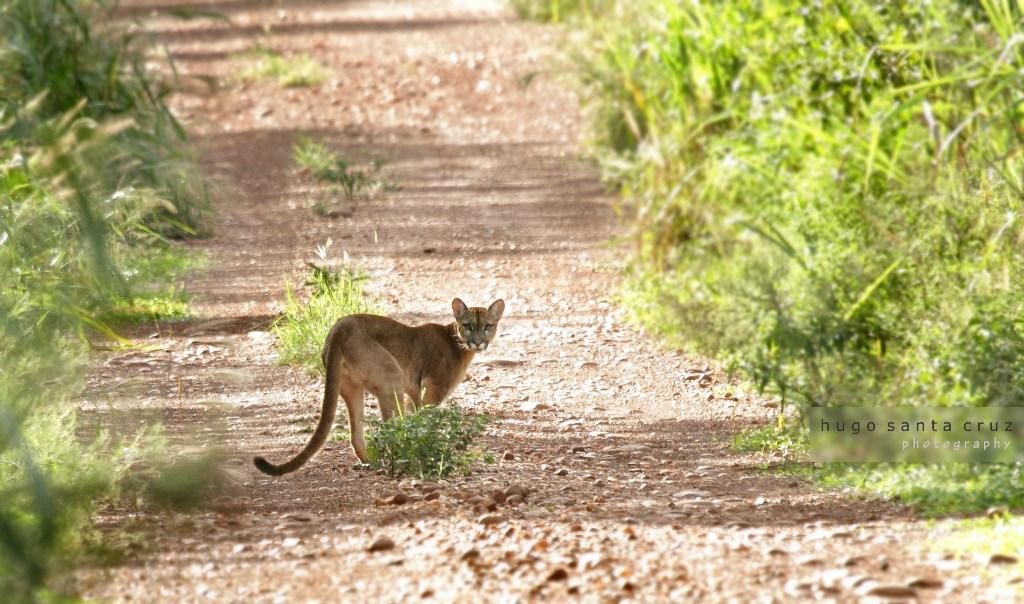
- Puma (Puma concolor)
- Ocelot (Leopardus pardalis)
- Jaguarundi (Herpailurus yagouaroundi)
- Geoffroy’s Cat (Leopardus geoffroyi)
- Brazilian Tapir (Tapirus terrestris)
- Chacoan Peccary (Catagonus wagneri)
- Collared Peccary (Dicotyles tajacu)
- White-lipped Peccary (Tayassu pecari)
- Gray Brocket Deer (Mazama gouazoubira)
- Crab-eating Fox (Cerdocyon thous)
- Pampas Fox (Lycalopex gymnocercus)
- White-coated Titi Monkey (Plecturocebus pallescens)
- Hooded Capuchin (Sapajus cay)
- Azara’s Night Monkey (Aotus azarae)
- Southern Three-banded Armadillo (Tolypeutes matacus)
- Forest Rabbit (Sylvilagus brasiliensis)
…and many others.
This program is designed for wildlife enthusiasts and nature lovers interested in observing wild cats and other medium- to large-sized mammals in one of Bolivia’s most pristine and biologically rich protected areas. Due to its high-quality habitat and strong conservation status, Kaa-Iya offers excellent—though not guaranteed—opportunities to observe many of these elusive species in the wild.
Kaa-Iya National Park, located in the Gran Chaco, spans 8.6 million acres, making it the largest protected area in Bolivia—almost twice the size of Belgium. The park encompasses a variety of ecosystems: in the north, transitional landscapes blend the Chiquitano and Chaqueño forests, while the western region includes Los Bañados de Izozog and the Chaco transitional plains.
The name Kaa-Iya comes from the Guaraní language and means “Lords of the Wild Forest”—a reference to both the abundant natural resources of the region and the traditional guardians of the land, the Iyas. The original inhabitants of this area include not only Guaraní people but also Chiquitano and Ayoreo communities.
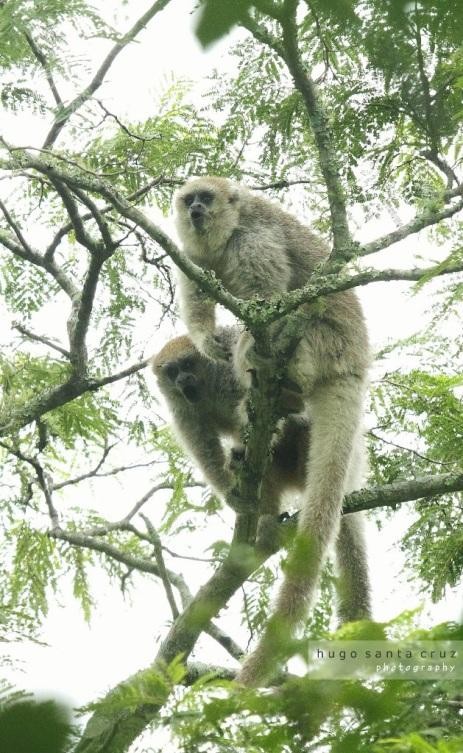
Today, most of the human population resides along the park’s borders, leaving the vast majority of Kaa-Iya undisturbed. The only known human presence within the interior is that of a few groups of nomadic Ayoreo living in voluntary isolation White-coated Titi by Hugo Santa Cruz.
Kaa-Iya forms part of the largest tropical dry forest in the world and is home to an extraordinary diversity of wildlife, including one of the highest concentrations of wild felines in South America. The park hosts an estimated 880 species of vascular plants, 1,500 higher plant species, 59 large mammals, 65 small mammals, 301 bird species, and 89 species of reptiles and amphibians.
Thanks to its vast size and the near absence of human settlement, Kaa-Iya National Park is considered one of the most pristine habitats for South American wildlife—and one of the last major refuges for the Jaguar (Panthera onca).
It is estimated that the park supports a population of approximately 1,000 jaguars, making it one of the most important areas in the world for the conservation of this iconic species. Jaguars require large territories and abundant prey, which is why they serve as both a flagship species for conservation and a powerful bioindicator of ecosystem health.
NOTES
- The itinerary is subject to change depending on travel conditions.
- Overnight stays in Kaa-Iya National Park will be near the park ranger station, which has basic facilities including bathrooms, showers with ambient-temperature water, and access to electricity and water 24 hours a day.
- Be prepared for potentially challenging environmental conditions, including extreme heat, heavy rains, and a high presence of insects.
RECOMMENDATIONS
- Wear long-sleeved shirts and long pants at all times to protect against sun, insects, and vegetation.
- Bring a face net for additional insect protection.
- Stay hydrated throughout the day—carry sufficient water.
- Wear clothing suitable for hot weather in earth tones (green, brown, etc.) to avoid startling wildlife.
- Bring 2 to 3 pairs of hiking shoes. Some trails may involve walking through water.
- While hikes are generally short and not technically difficult, weather conditions can make them physically demanding.
- Pack a waterproof poncho or cover to protect your camera and other equipment in case of rain.
- Bring a mosquito net to cover your bed while sleeping.
- Use mosquito repellent, but avoid applying it just before wildlife viewing or photography, as the scent may repel animals.
- Wear a hat, preferably in neutral tones that blend with the environment.
- Bring a flashlight, headlamp, or high-powered spotlight for night use around camp.
- While park rangers and guides carry basic first aid kits, be sure to bring any personal medications you may need, as these may not be available in the field.